Why Do Solid Rubber Wheels Wobble During Use?
Solid rubber wheels can wobble during use when hub alignment, wheel runout, axle play, or the installed support frame is…
Blogs
Sharing in-depth castor guides, industry trends, and Techin Castor corporate updates.
Solid rubber wheels can wobble during use when hub alignment, wheel runout, axle play, or the installed support frame is…
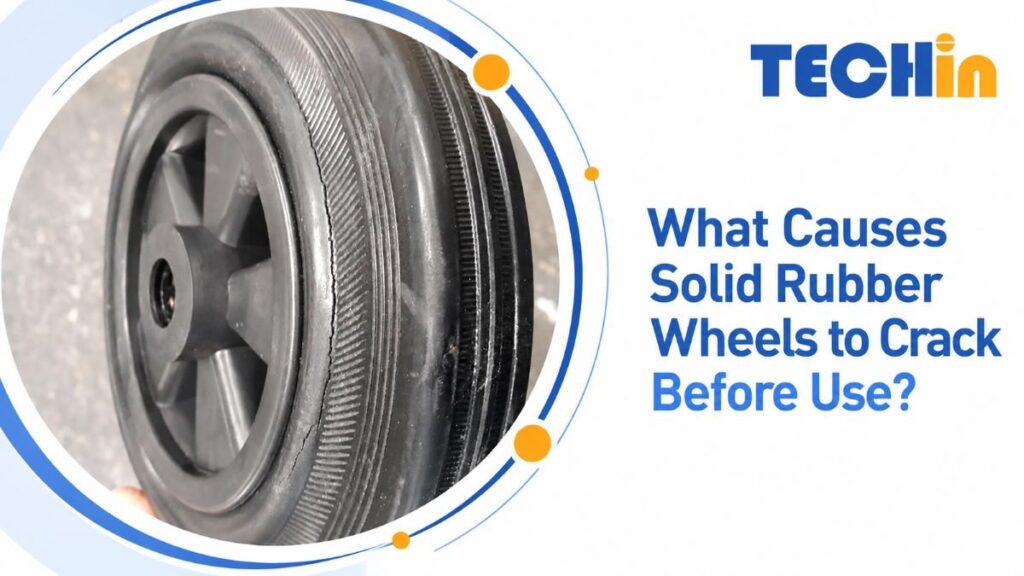
Solid rubber wheels can crack before service when ageing, ozone, heat, light, chemicals, compound variation, curing variation, or local interface…
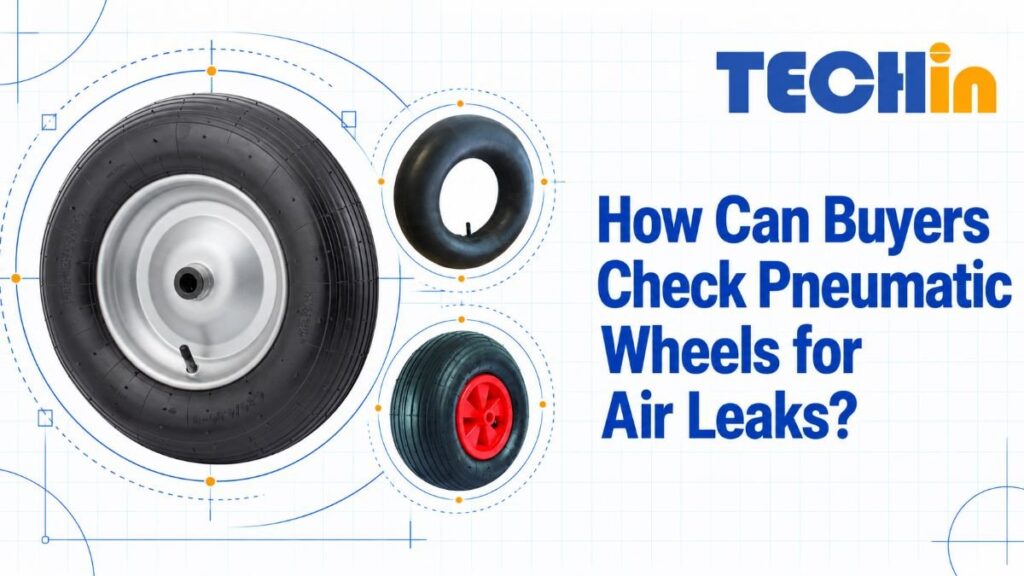
A buyer-side guide to checking pneumatic wheels used on hand trucks, platform trolleys, sack barrows, and tool carts. It explains…
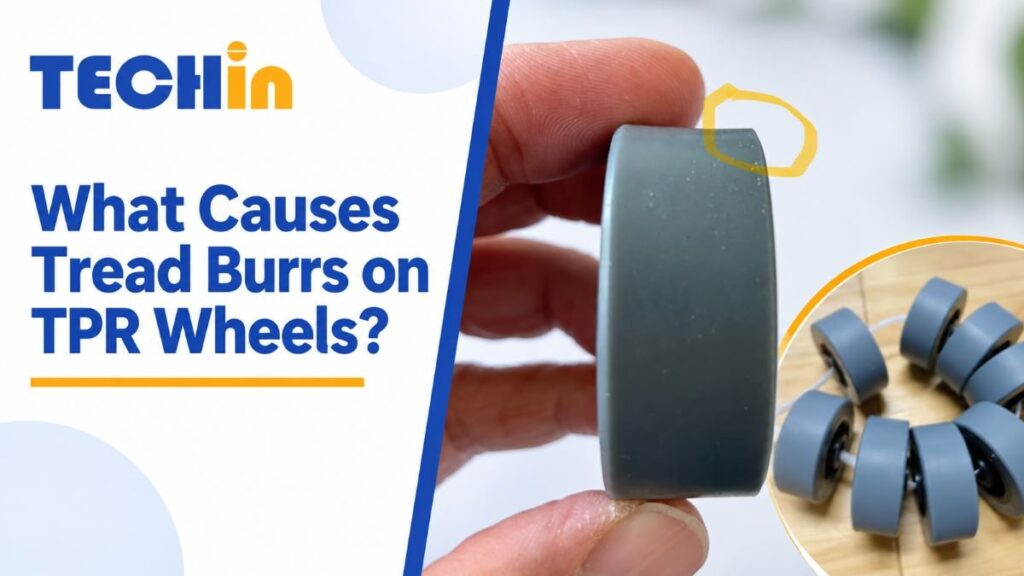
Tread burrs on TPR wheels usually form when material escapes through a gap or mismatch at a mould parting line.…
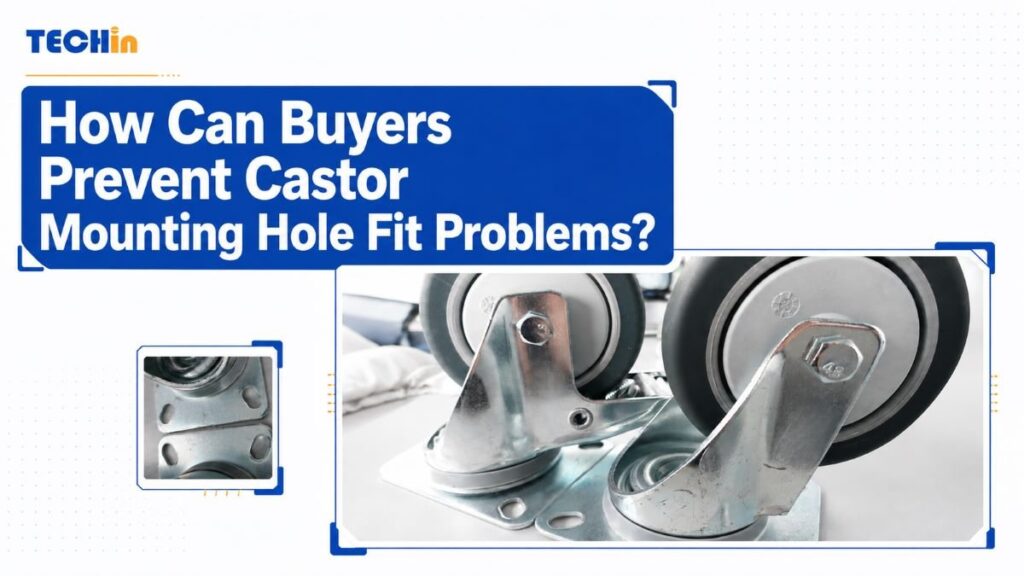
Castor mounting holes can fail assembly when their diameter, hole pattern, tolerance, or edge condition is not controlled together. This…
Castors that make a trolley drift can have problems in the swivel bearing, wheel-bearing, wheel runout, mounting, load distribution, or…
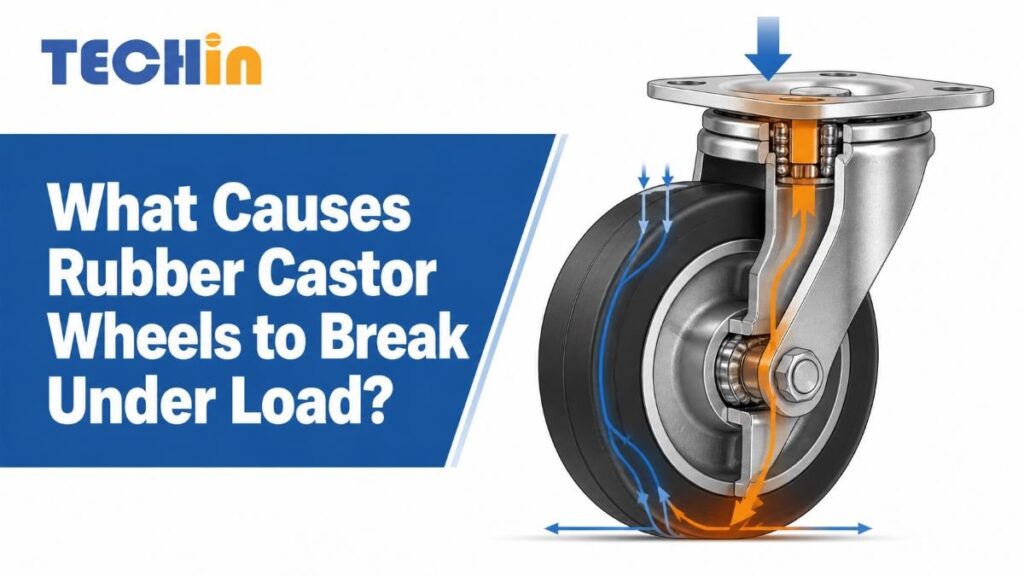
Rubber castor wheels can break under repeated load when tread variation, poor rim fit, weak retention, impact, or unsuitable test…
Choosing a braked castor requires more than confirming that a brake is fitted. Buyers should define how easily the pedal…
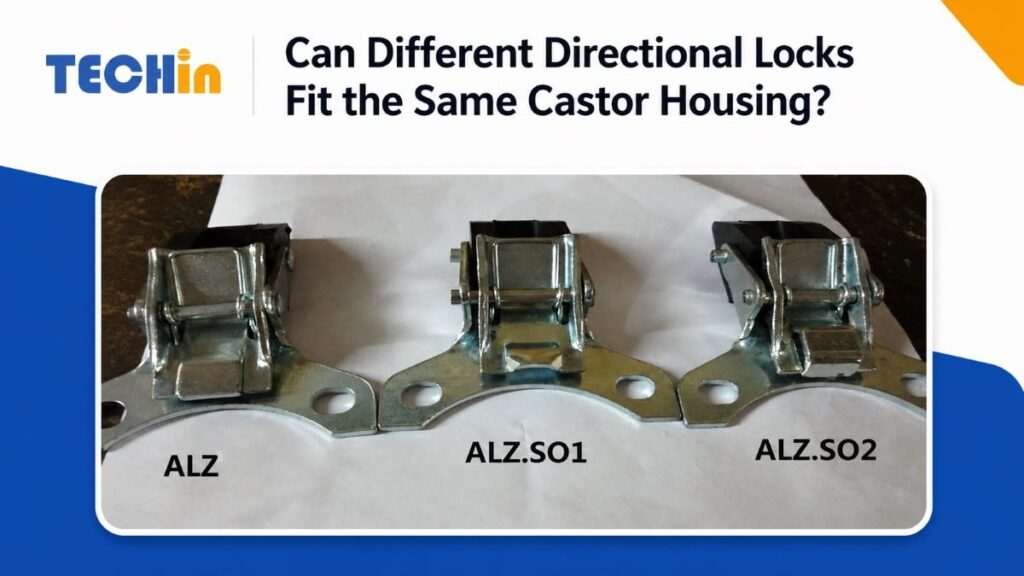
Different directional locks are not automatically interchangeable, even when their plates and front ends look similar. Compatibility depends on the…
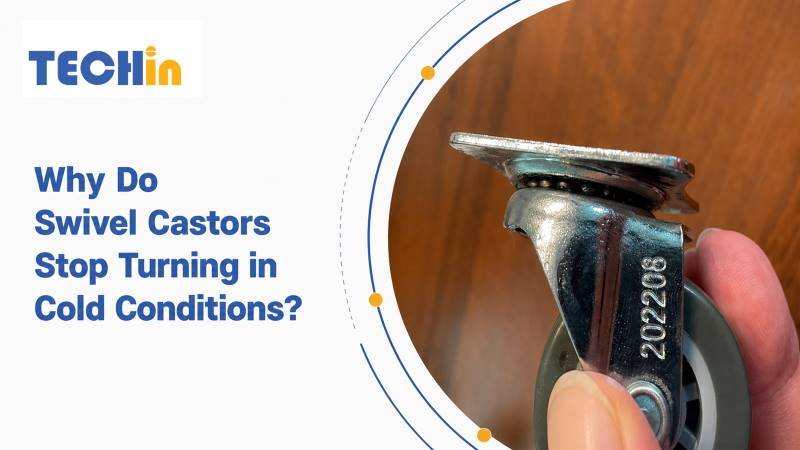
The castor wheel may still roll while its top plate and swivel assembly bind when grease stiffens, leaks, absorbs dust,…
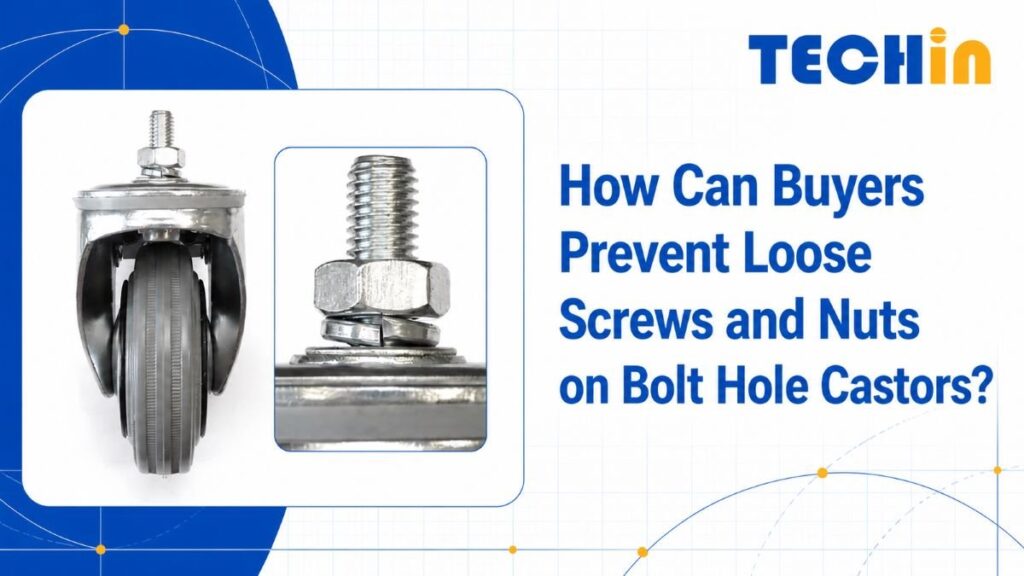
Loose screws and nuts on bolt hole castors can create rework when a buyer uses the castor as delivered. This…
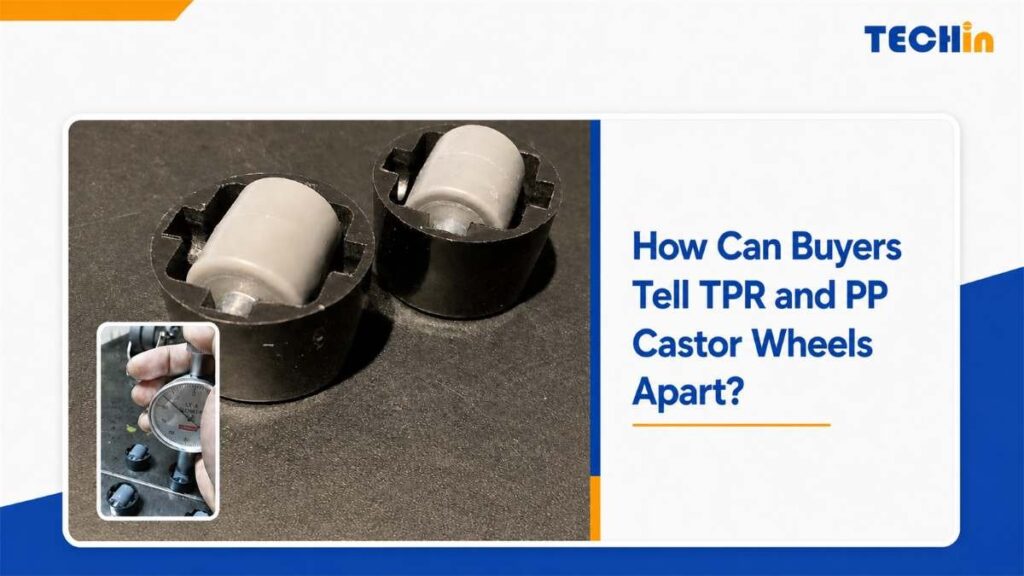
TPR and PP castor wheels can serve different roles in one assembly. This article explains how to distinguish a TPR…