
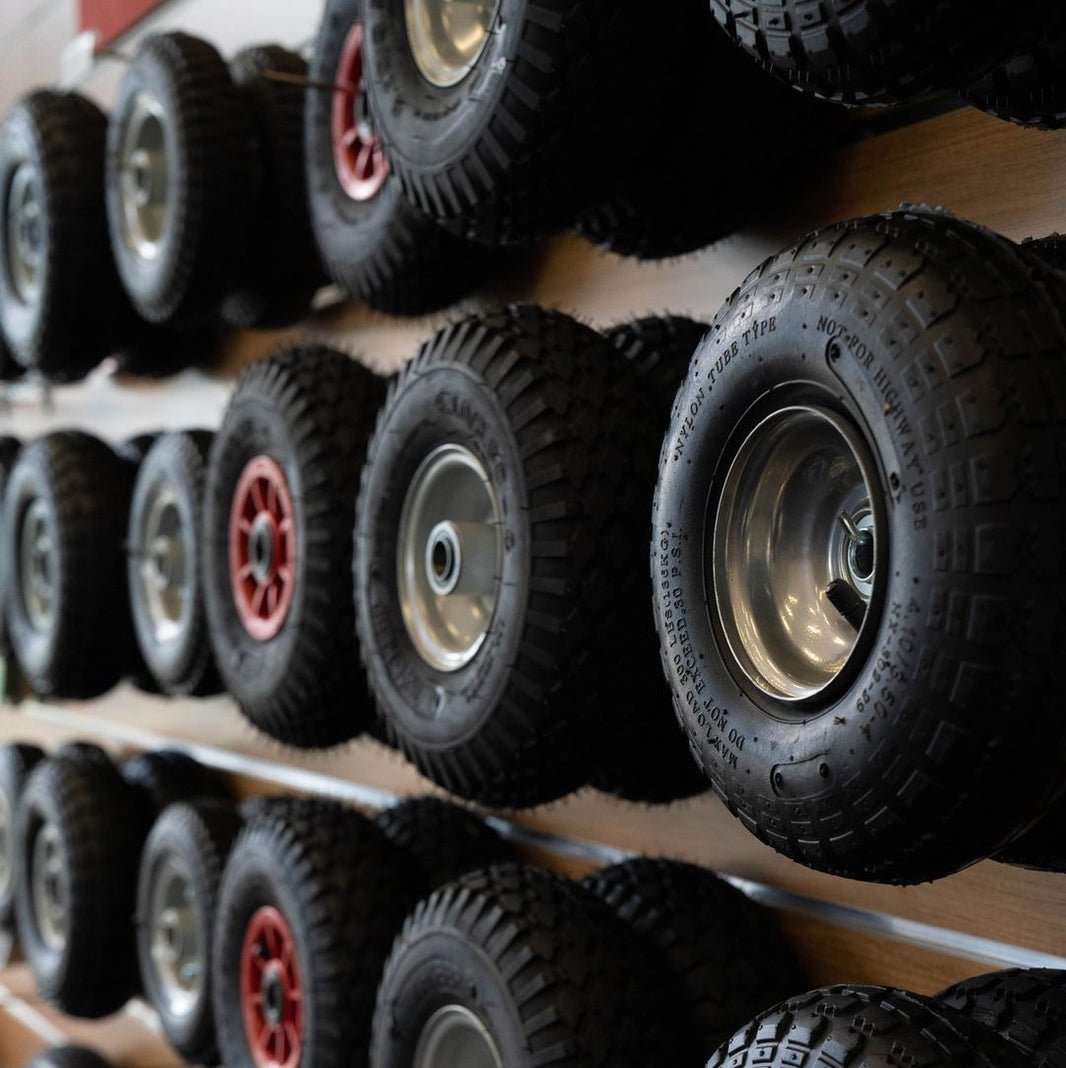
Pneumatic Wheels
High Quality Pneumatic Wheels Manufacturer
For over 20 years, Techin has been at the forefront of providing durable pneumatic wheels tailored for industrial needs. Our products are rigorously tested and certified, ensuring top performance and safety. With our state-of-the-art automated production lines, we offer fast delivery and exceptional precision, supporting your business requirements effectively. Reach out today for a free quote or further details.
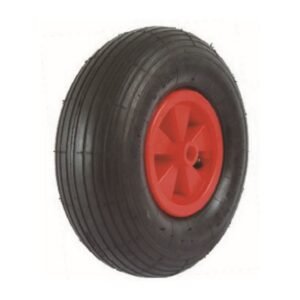
Pneumatic Wheels Plastic Rim
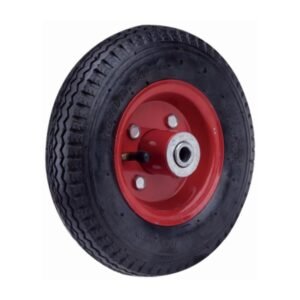
Pneumatic Wheels Steel Rim
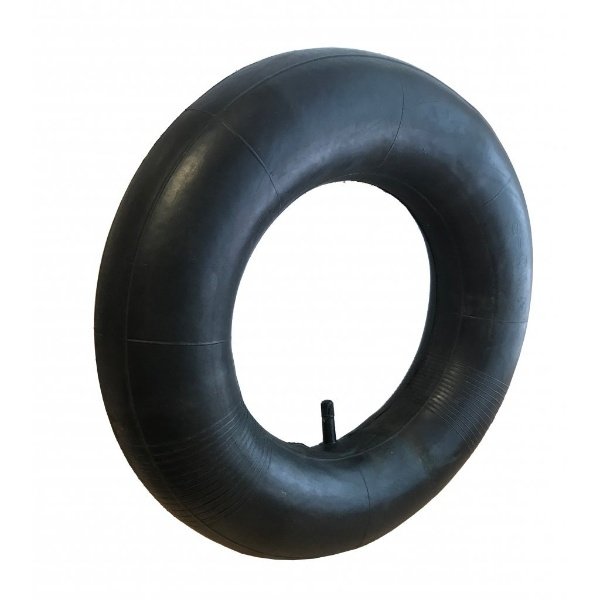
Inner Tube
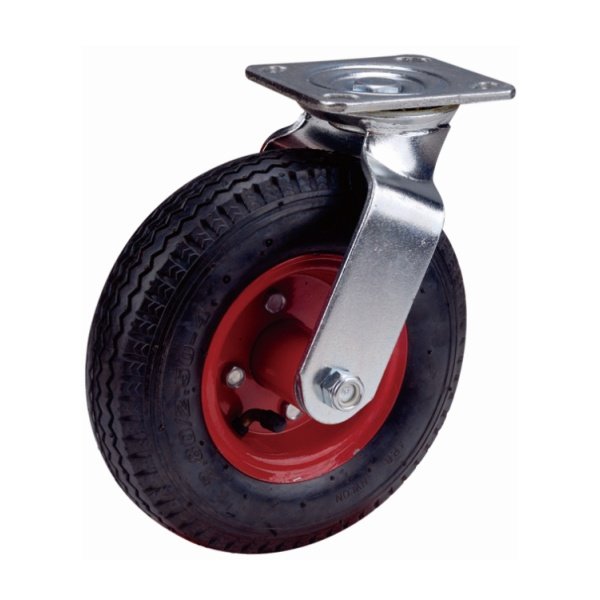
Pneumatic Wheel Casters
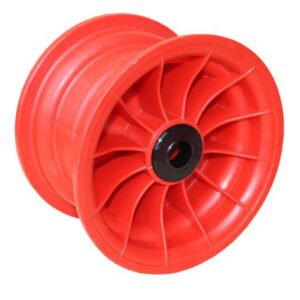
Plastic Rim
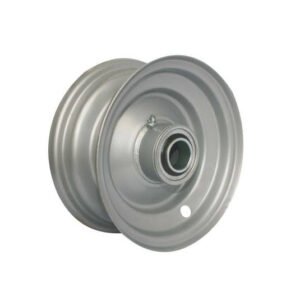
Steel Rim
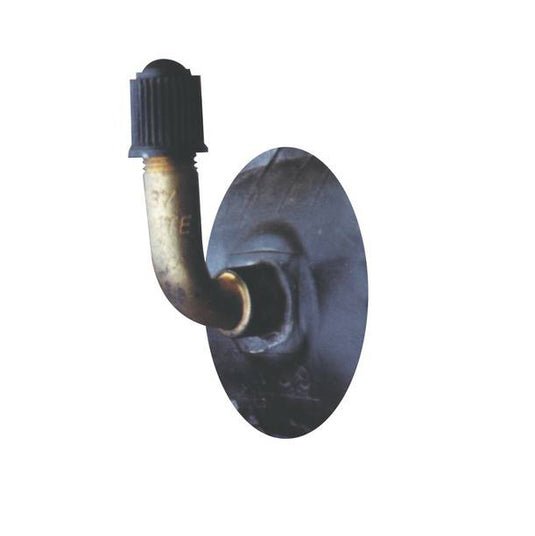
Valve Stem
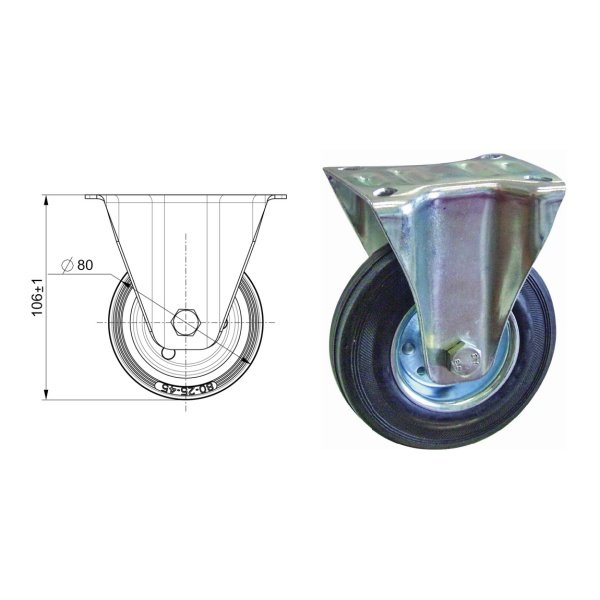
Custom Caster Wheel
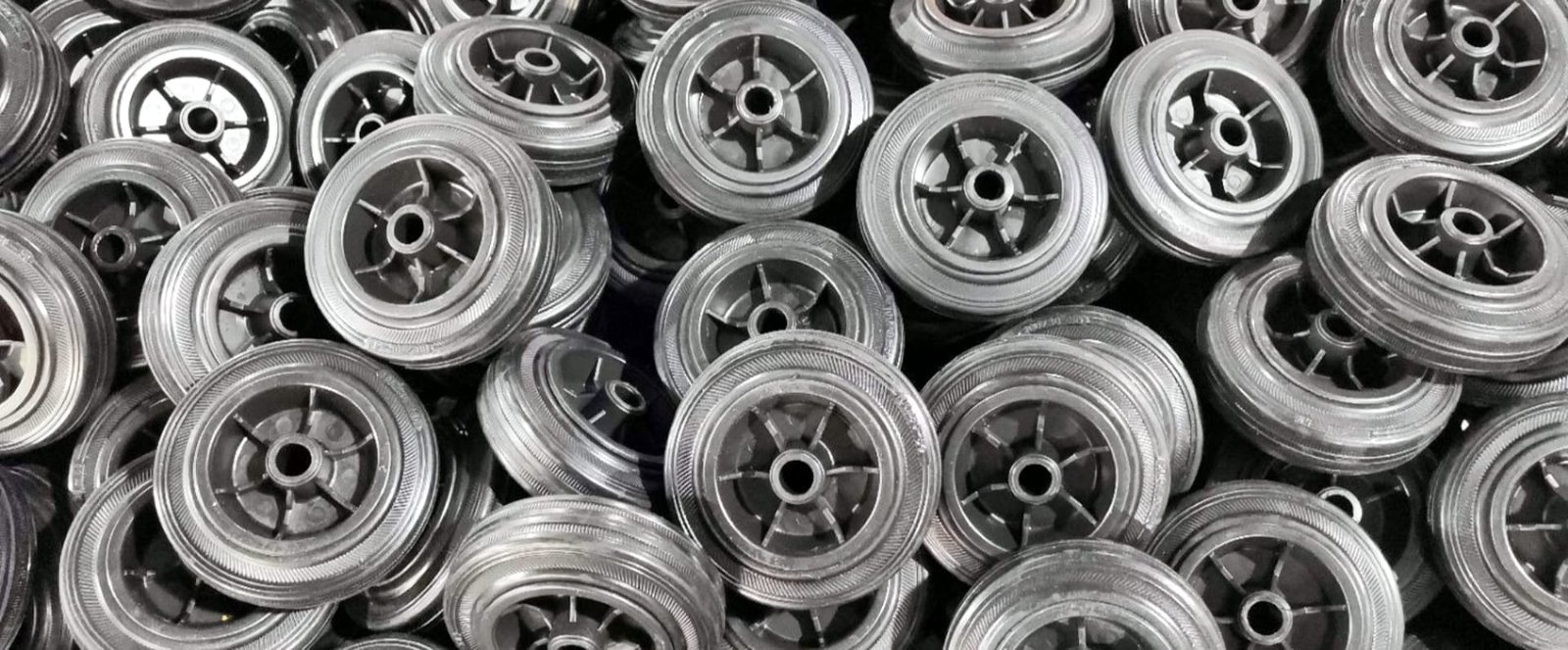
REQUEST A QUOTE FOR MORE DETAILS
All You Need to Know About Pneumatic Wheels
Pneumatic wheels are vital in heavy-duty applications, combining mobility and shock absorption to ensure smooth operation on rough surfaces. Designed for tough environments, they come in various sizes and configurations, providing excellent traction and stability while supporting significant loads. Their air-filled construction reduces vibrations, enhancing safety and durability in industrial settings. These wheels are indispensable for industries that require reliable performance on uneven terrain, ensuring both equipment protection and operator comfort.
Key Features of Pneumatic Wheels
Pneumatic wheels are engineered to deliver reliable performance across demanding environments. These wheels are essential for moving heavy machinery and equipment, offering a balance of durability, safety, and efficiency.
Shock Absorption
Pneumatic wheels provide excellent shock absorption, making them ideal for rough terrain and uneven surfaces.
Load Capacity
Designed to support heavy loads, these wheels ensure stability and durability under pressure.
Enhanced Traction
The tread pattern on pneumatic wheels ensures superior grip, reducing slippage and improving safety.
Versatility
Suitable for a wide range of applications, from industrial machinery to outdoor equipment.

Applications of Pneumatic Wheels
Pneumatic wheels are versatile and crucial in various industries, enhancing the mobility of equipment and improving operational efficiency. Their ability to handle challenging conditions makes them indispensable in the following sectors:
Construction Sites
Pneumatic wheels are widely used in construction environments, providing stability and mobility for heavy equipment and tools. Their shock-absorbing qualities and high load capacity make them ideal for rough and uneven terrains. Common applications include:
-
Wheelbarrows: Pneumatic wheels are commonly used on wheelbarrows, allowing workers to transport heavy loads such as concrete, bricks, and tools over uneven ground with ease.
-
Scaffolding: Scaffolding often needs to be moved from one location to another on a job site. Pneumatic wheels on scaffolding bases provide the mobility and stability required for safe repositioning, even on rugged terrain.
-
Generators and Compressors: Heavy-duty pneumatic wheels are frequently used on generators, compressors, and other essential equipment that must be easily relocated as construction progresses.

Agricultural Equipment
In agriculture, pneumatic wheels are essential for ensuring smooth operation of machinery across varied terrains. They are used in various applications such as:
-
Tractors: Tractors fitted with pneumatic wheels can navigate the challenging conditions of farmland, providing the necessary traction and shock absorption to operate effectively.
-
Harvesters: During the harvesting season, machinery equipped with pneumatic wheels can move smoothly across fields, protecting the crops while ensuring that operations remain efficient and uninterrupted.
-
Utility Carts: On farms, pneumatic wheels are used on utility carts to transport tools, supplies, and produce, making it easier to move heavy loads over long distances.

Outdoor Equipment
Pneumatic wheels are also essential for outdoor equipment used in landscaping, recreational areas, and public spaces. Their applications include:
-
Lawnmowers: Pneumatic wheels on lawnmowers provide the flexibility needed to navigate different types of terrain, from manicured lawns to rough, uneven ground, ensuring a clean and even cut.
-
Golf Carts: Golf carts equipped with pneumatic wheels offer a smooth ride across golf courses, providing comfort for passengers and stability for the vehicle.
-
Wheelchairs: Pneumatic wheels on wheelchairs ensure that users experience a comfortable ride, even over uneven or rough surfaces, by absorbing shocks and maintaining stability.

Transportation and Logistics
In the logistics industry, pneumatic wheels help in the efficient movement of goods over long distances and across challenging terrains. Applications include:
-
Hand Trucks: Pneumatic wheels on hand trucks make it easier to move heavy and awkwardly shaped items, providing the necessary shock absorption to protect both the load and the operator.
-
Dollies: In warehouses and distribution centers, pneumatic wheels on dollies facilitate the easy and safe movement of goods, ensuring that operations run smoothly and efficiently.
-
Platform Carts: Pneumatic wheels on platform carts provide the stability needed to transport large quantities of goods across different surfaces, enhancing operational efficiency in logistics centers.

European Standards for Pneumatic Wheels
In the caster industry, several European standards serve as guidelines to ensure the quality, safety, and environmental compatibility of products. Here, we provide an overview of some pivotal standards that are commonly adhered to:
| Standard | Description | Function Tested | Qualification Criteria | Testing Machine |
|---|---|---|---|---|
| EN840 | Applies to mobile waste containers with capacities up to 1700 liters used by the general public. Specifies essential dimensions for interoperability with lifting devices. | Interoperability and dimensional accuracy | Containers must fit standardized lifting devices and maintain structural integrity under load | Dimensional measurement devices and load testing machines |
| PAHs | Governs the restriction of PAHs in consumer products, including casters and wheels. | Chemical content analysis | PAH concentration must be below specified limits (e.g., <1 mg/kg) | Gas chromatography-mass spectrometry (GC-MS) |
| REACH | Addresses the production and use of chemical substances and their potential impacts on human health and the environment. | Chemical composition and safety assessment | Compliance with REACH Annex XVII and authorization list requirements | High-performance liquid chromatography (HPLC), safety data sheet (SDS) review |
| RoHS | Restricts the use of specific hazardous materials found in electrical and electronic products. | Presence of hazardous substances (e.g., lead, mercury, cadmium) | Concentration of restricted substances must be below 0.1% (1000 ppm) except cadmium, which must be below 0.01% (100 ppm) | X-ray fluorescence (XRF) spectroscopy, inductively coupled plasma mass spectrometry (ICP-MS) |
| EN 12530 | Outlines requirements and dimensions for equipment casters and manually operated wheels used in public facilities. | Dimensional accuracy, load-bearing capacity, and durability | Casters must meet specified dimensions, support specified loads without failure, and pass durability tests | Universal testing machines (UTM), endurance testing rigs, dimensional measurement devices |
These standards are integral in guiding manufacturers to produce products that are not only of high quality but also safe and environmentally responsible. Adherence to these standards is often seen as a mark of reliability and trustworthiness in the industry.
Selecting the Right Pneumatic Wheels
Choosing the right pneumatic wheels is critical for ensuring the efficiency, safety, and longevity of your equipment. The selection process involves considering several key factors, each of which plays an important role in determining the suitability of the wheels for your specific application.
Purpose
The first step in selecting the right pneumatic wheels is to clearly define their purpose. Consider whether the wheels will be used for mobility, stability, shock absorption, or load-bearing.
Load Capacity
It's essential to calculate the load capacity that the wheels need to support. This calculation should take into account the weight of the equipment and any additional loads.
Surface Compatibility
Consider the surfaces on which the wheels will operate. Selecting a tread material that provides the right grip and does not damage the surface is key.
Environmental Factors
The environment where the wheels will be used can significantly impact their performance. Factors such as exposure to chemicals, extreme temperatures, or moisture should be considered.
Durability
The materials and construction quality of the wheels should be capable of withstanding the operational demands. Selecting durable wheels ensures long-term cost savings.
Frequently Asked Questions
To continue to provide valuable information for our B2B clients, here are another ten FAQs that delve deeper into the aspects that most concern our target customers.
