
Industrial Casters
" With over 20 years in the industry, Techin offers a comprehensive range of high-quality industrial casters designed to meet the rigorous demands of various applications. Our products undergo stringent quality control processes and are backed by certifications and test reports to ensure reliability and safety. With an advanced automatic production line, Techin guarantees precision, speed, and quick delivery to meet your business needs. Contact us today to request a free quote or more information. "
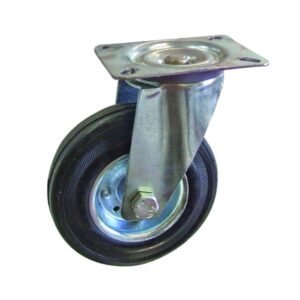
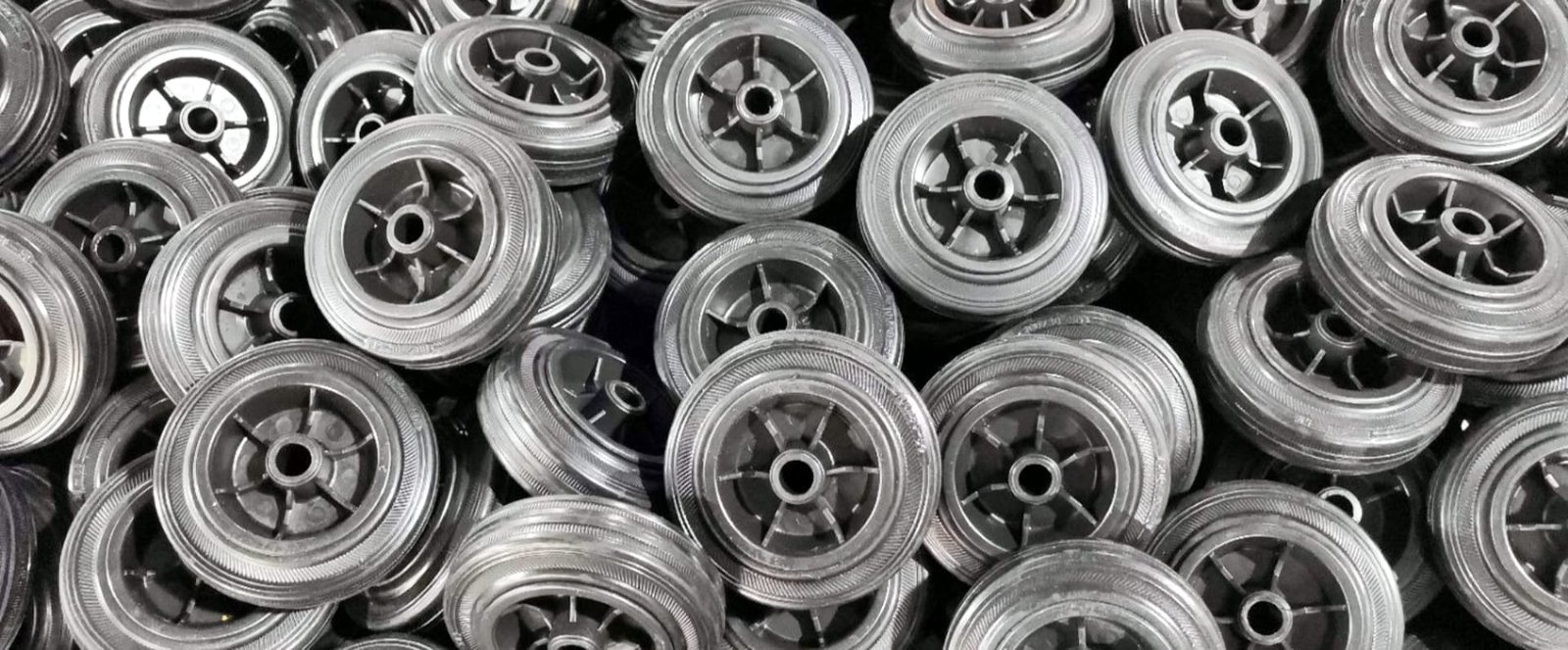
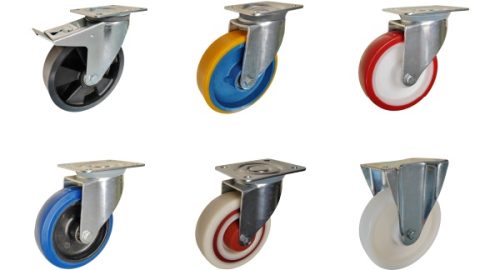
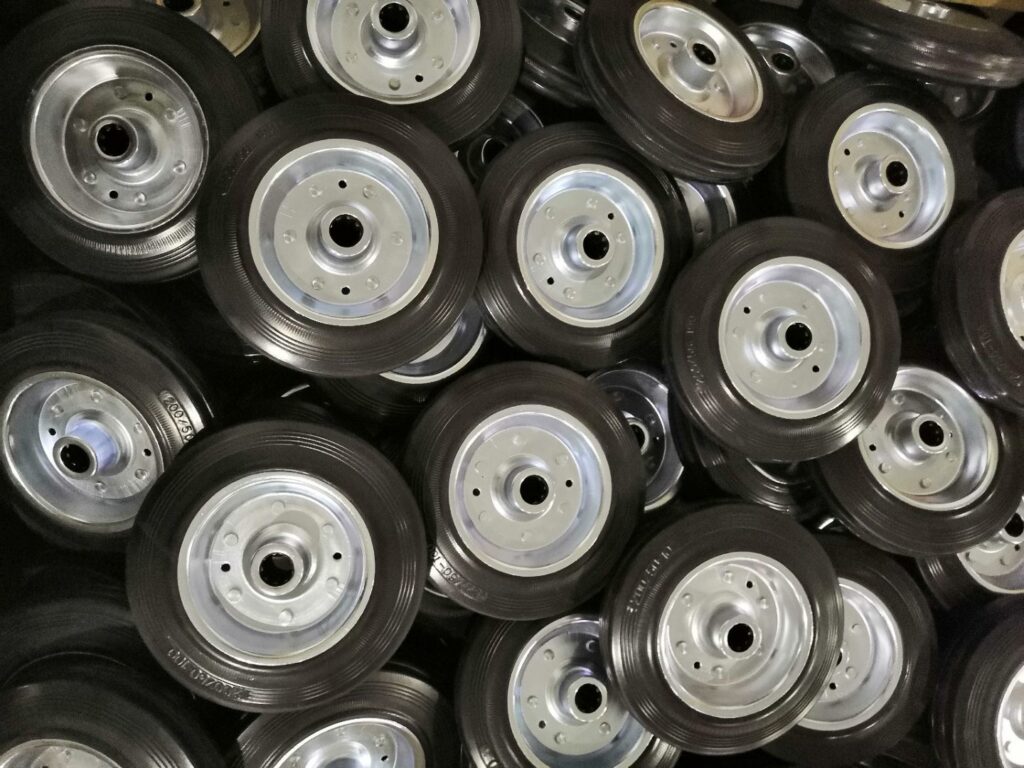
Black Rubber Transport Casters
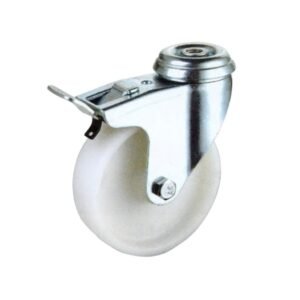
White Nylon Bolt Hole Casters
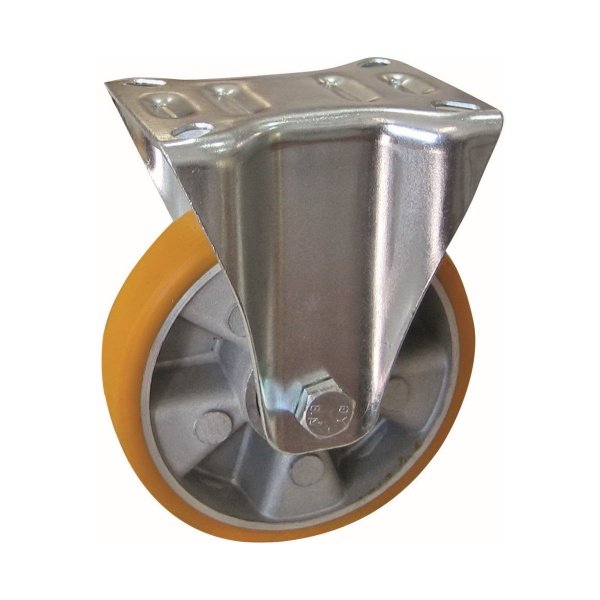
Aluminum Core PU Casters
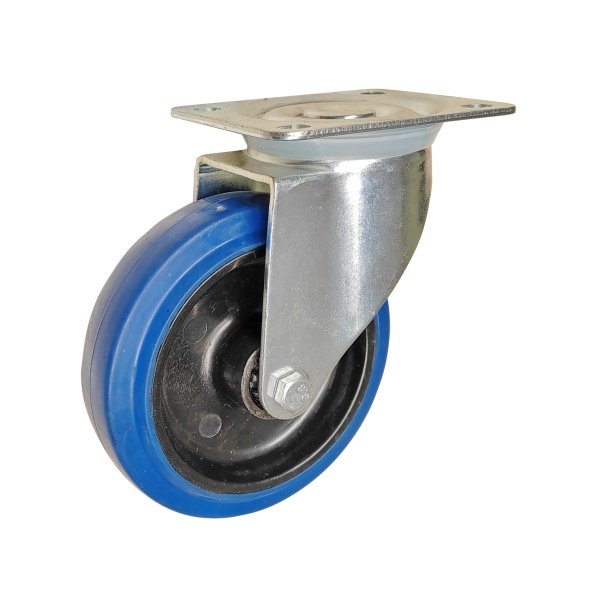
Elastic Blue Rubber Casters
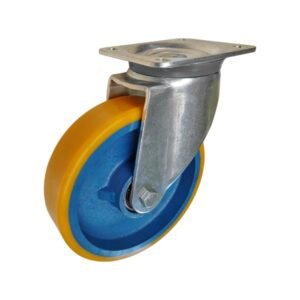
Blue Aluminum Core PU Casters
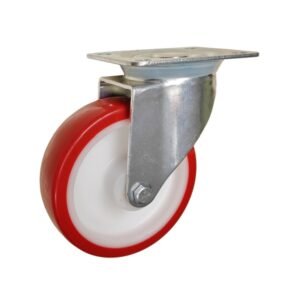
Red PU Casters With Nylon Core
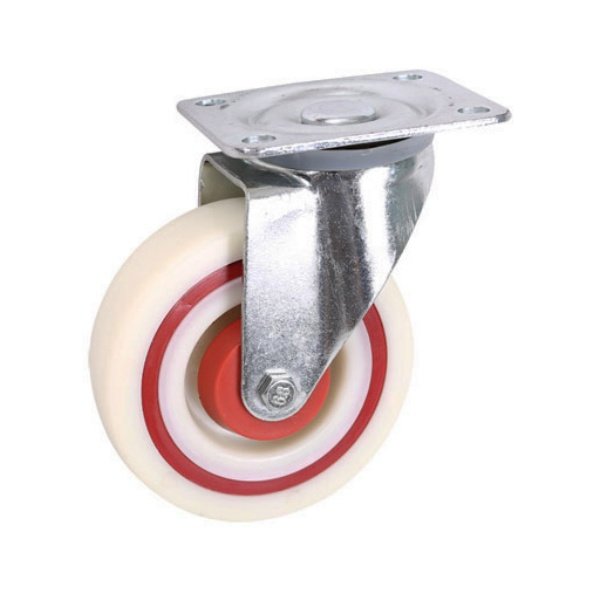
Sandwich White Nylon Casters
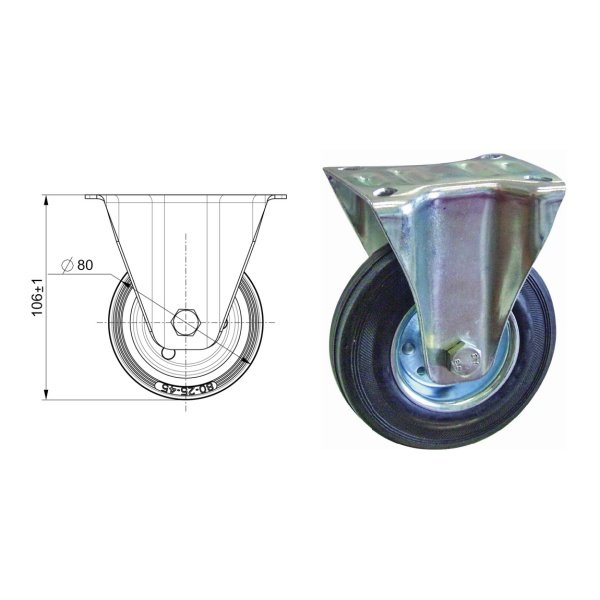
Custom Caster Wheel
REQUEST A QUOTE FOR MORE DETAILS
All You Need to Know About Industrial Casters
Industrial casters are essential components for heavy-duty applications, providing mobility and support for equipment and machinery. These casters come in various designs, materials, and sizes, each tailored to specific industrial needs. Whether it's for manufacturing plants, warehouses, or medical facilities, choosing the right caster is crucial for operational efficiency and safety.
Features of Industrial Casters
Industrial casters are specialized components designed to support the rigorous demands of heavy-duty environments. These casters are crucial for ensuring the smooth and efficient movement of heavy machinery and equipment in industrial settings.
Heavy Load Capacity
Industrial casters are engineered to support significantly heavier loads compared to standard casters, often handling weights of several tons.
Reinforced Construction
Built with high-grade materials such as reinforced steel and durable polymers, industrial casters are designed to withstand heavy impacts and constant use.
Advanced Bearing Systems
Featuring precision ball bearings or roller bearings, these casters provide smooth movement and reduce friction under heavy loads.
High Temperature Resistance
Designed to operate in extreme temperature conditions, industrial casters maintain performance in environments ranging from freezing cold to intense heat.
Chemical Resistance
Many industrial casters are made from materials that can withstand exposure to harsh chemicals, making them suitable for use in chemical plants and other hazardous environments.

Industrial Casters and Wheels Applications
Industrial casters are indispensable across various industries, providing mobility, support, and efficiency for heavy equipment and machinery. Their versatility makes them essential for enhancing operational workflows, safety, and convenience.
Manufacturing Plants
Industrial casters are crucial in manufacturing environments, facilitating the movement of heavy machinery, raw materials, and finished products. They are integral to production lines, allowing for the easy repositioning of equipment and materials.

Warehouses and Logistics Centers
In warehouses and logistics centers, industrial casters play a vital role in material handling and storage solutions. They help streamline the movement of goods, improving workflow and reducing physical strain on workers.
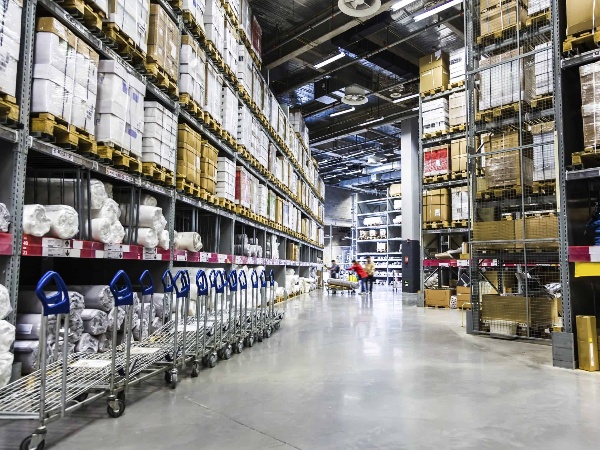
Retail Environments
In retail settings, industrial casters enhance the shopping experience by providing mobility for display racks, shopping carts, and storage units. They allow retailers to quickly adapt store layouts and manage inventory efficiently.

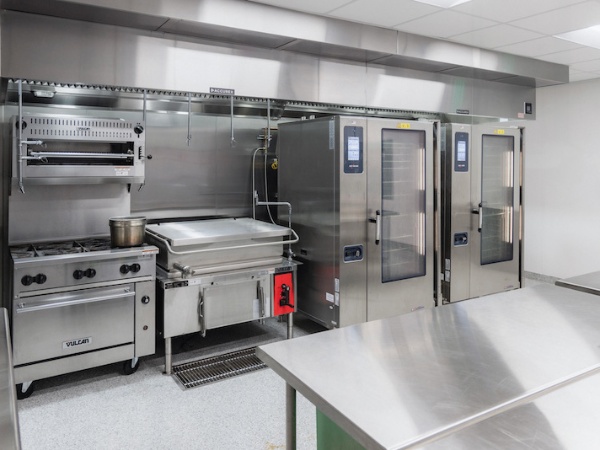
Food Service Industry
The food service industry benefits significantly from the use of casters on various kitchen and service equipment. Casters contribute to the efficient and hygienic operation of food preparation and service areas.
Advantages of Industrial Casters
Investing in industrial casters offers numerous advantages that enhance the efficiency and safety of industrial operations. These casters are specifically designed to handle the heavy demands and harsh conditions of industrial environments.
Enhanced Load Management
Industrial casters facilitate the easy movement of heavy equipment, reducing the physical strain on workers and preventing workplace injuries.
Improved Operational Efficiency
By enabling the smooth and swift transportation of machinery and materials, these casters contribute to faster workflows and reduced downtime.
Durability and Longevity
Constructed from robust materials, industrial casters offer exceptional durability, minimizing the need for frequent replacements and repairs.
Versatility Across Applications
Suitable for various industrial settings such as manufacturing plants, warehouses, and distribution centers, these casters can be adapted to multiple uses.
Enhanced Safety Features
With integrated brakes, locks, and robust design, industrial casters enhance workplace safety by preventing uncontrolled movement and ensuring equipment stability.
Cost Savings
The longevity and durability of industrial casters lead to long-term cost savings, as businesses spend less on maintenance and replacements over time.
Common Materials for Industrial Casters
The choice of materials in the construction of industrial casters significantly impacts their performance, durability, and suitability for specific applications. Understanding the properties of these materials helps in selecting the right caster for your industrial needs.
Steel
Exceptional strength and durability, excellent load-bearing capacity and resistance to impact.
Polyurethane
Unique combination of flexibility and toughness, ideal for shock absorption and noise reduction.
Nylon
Lightweight yet strong, highly resistant to chemicals and abrasion.
Rubber
Good traction and cushioning, ensuring smooth and quiet movement.
Cast Iron
Extremely durable and resistant to wear, designed for heavy-duty applications.
| Material | Description | Applications |
|---|---|---|
| Steel | High strength, impact resistance, excellent load capacity | Machinery, manufacturing equipment |
| Cast Iron | Extreme durability, high load capacity, wear resistance | Foundries, factories, heavy industrial applications |
| Polyurethane | Shock absorption, noise reduction, tough and flexible | Warehouses, hospitals, commercial settings |
| Nylon | Lightweight, chemical resistance, abrasion resistance | Chemical plants, laboratories, food processing facilities |
| Pneumatic | Air-filled for cushioned ride, excellent shock absorption and load distribution | Outdoor equipment, construction sites, heavy-duty carts |
European Standards for Industrial Casters
In the caster industry, several European standards serve as guidelines to ensure the quality, safety, and environmental compatibility of products. Here, we provide an overview of some pivotal standards that are commonly adhered to:
| Standard | Description | Function Tested | Qualification Criteria | Testing Machine |
|---|---|---|---|---|
| EN840 | Applies to mobile waste containers with capacities up to 1700 liters used by the general public. Specifies essential dimensions for interoperability with lifting devices. | Interoperability and dimensional accuracy | Containers must fit standardized lifting devices and maintain structural integrity under load | Dimensional measurement devices and load testing machines |
| PAHs | Governs the restriction of PAHs in consumer products, including casters and wheels. | Chemical content analysis | PAH concentration must be below specified limits (e.g., <1 mg/kg) | Gas chromatography-mass spectrometry (GC-MS) |
| REACH | Addresses the production and use of chemical substances and their potential impacts on human health and the environment. | Chemical composition and safety assessment | Compliance with REACH Annex XVII and authorization list requirements | High-performance liquid chromatography (HPLC), safety data sheet (SDS) review |
| RoHS | Restricts the use of specific hazardous materials found in electrical and electronic products. | Presence of hazardous substances (e.g., lead, mercury, cadmium) | Concentration of restricted substances must be below 0.1% (1000 ppm) except cadmium, which must be below 0.01% (100 ppm) | X-ray fluorescence (XRF) spectroscopy, inductively coupled plasma mass spectrometry (ICP-MS) |
| EN 12530 | Outlines requirements and dimensions for equipment casters and manually operated wheels used in public facilities. | Dimensional accuracy, load-bearing capacity, and durability | Casters must meet specified dimensions, support specified loads without failure, and pass durability tests | Universal testing machines (UTM), endurance testing rigs, dimensional measurement devices |
These standards are integral in guiding manufacturers to produce products that are not only of high quality but also safe and environmentally responsible. Adherence to these standards is often seen as a mark of reliability and trustworthiness in the industry.
Guiding Principles for Selecting Casters
Selecting the right caster and installing it correctly is a vital aspect in ensuring the longevity and functionality of your equipment. We also outline a systematic approach to guide you through the process of selecting and installing casters.
| Consideration | Description |
|---|---|
| Purpose | Determine the specific function the caster will serve, such as mobility, stability, or braking. |
| Load Capacity | Ensure the caster can support the weight of the furniture and any additional loads. |
| Floor Compatibility | Choose a caster wheel material that won't damage the flooring. |
| Mounting Method | Select the appropriate mounting option for your furniture. |
| Durability | Consider the materials and construction quality for long-lasting performance. |
Determine Your Product and Mounting Type
The first step involves identifying the type of product you are working with and the appropriate mounting method. Different products may require varied mounting techniques.
Understanding Load Capacity
Before selecting a caster, it is essential to determine the load capacity it needs to handle. The load capacity is calculated using specific formulas that consider various factors.
Select Your Tread Material
The tread material significantly influences the operational comfort, smooth-rolling performance, and resistance characteristics of the wheels or casters.
Determine Maneuverability
Understanding the maneuverability factors such as starting, rolling, and swivel resistance is crucial in selecting the right caster.
Select the Bearing Type
The bearing type is a critical aspect that affects the rolling characteristics of a wheel. Different bearing types offer varied performance characteristics.
Consider Environmental Influence
The environmental conditions where the caster will be used should be considered, especially where components may contact aggressive substances.
Additional Options and Requirements
Depending on your specific needs, you might require additional features such as locking systems for rolling and/or swivel motions, or brake systems. Understanding these additional requirements is vital in selecting the right caster.
Frequently Asked Questions
To continue to provide valuable information for our B2B clients, here are another ten FAQs that delve deeper into the aspects that most concern our target customers.
Do you offer free samples?
Yes, we offer product samples to give you a firsthand experience of the quality and variety we bring to the table.
Do you have any certifications?
Certainly, our products proudly bear recognizable certifications like EN840, REACH, RoHS, PAHs, EN12530 etc. These symbols of excellence guarantee that you receive products that meet international standards.
Is there a warranty period for your products?
All of our products come with a standard warranty period, reinforcing our commitment to quality and customer satisfaction.
How do you ensure timely delivery of orders?
We have a streamlined production schedule and robust logistics partnerships to ensure that your orders are delivered on time, every time.
Is it OK to print my logo on casters ?
Sure. We could build the molds and fixtures upon your sample or technical drawings, add your logo on fork or wheel, and pack the casters in your branded carton.
